
Why Do Remodeling Projects Go Over Budget So Often?

Most remodeling projects don’t go over budget because of one big mistake—they drift off course due to multiple small unknowns. Homeowners often begin with a vision and a rough estimate, but without a full understanding of the home’s current condition, that estimate is based on assumptions. Once work begins, reality replaces those assumptions, and costs start to climb.
What Hidden Problems Increase Remodeling Costs?
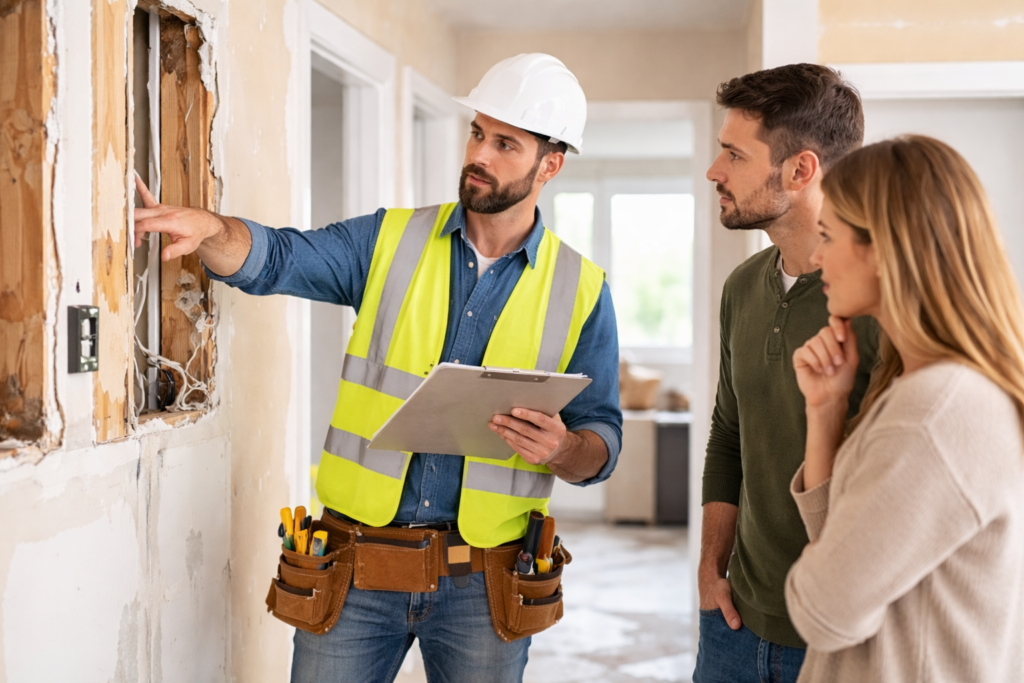
Behind walls and under floors, many homes—especially across Northeast Ohio—have aging electrical systems, outdated plumbing, or hidden moisture issues. These conditions are rarely visible during initial planning. Once demolition starts, they must be addressed before progress can continue, making them one of the most common causes of unexpected expenses.
How Does Incomplete Planning Lead to Budget Overruns?
When a remodeling project is not fully defined from the start, critical components are often missed. Electrical upgrades, ventilation improvements, or structural adjustments may not be included in the original plan. As the project progresses, these gaps force last-minute decisions, which are typically more expensive than if they had been planned in advance.
Why Do Mid-Project Changes Add So Much Cost?
Changes during construction—commonly referred to as change orders—can quickly push a project beyond its budget. Whether it’s upgrading materials, modifying layouts, or reacting to newly discovered issues, each change adds labor, materials, and time. These costs stack quickly, especially when they interrupt work already in progress.
What Is the Right Way to Plan a Remodeling Project?
The most reliable way to control costs is to start with a complete understanding of how your home functions as a system. This includes evaluating structural components, electrical capacity, plumbing layout, insulation, and airflow before finalizing any design decisions. With this level of clarity, your scope becomes more accurate and your budget more predictable.
How Can Homeowners Prevent Budget Surprises?
Preventing budget overruns comes down to preparation and sequencing. Address underlying issues first, define a detailed scope, and include a contingency for the unexpected. In older homes throughout the Greater Cleveland area, this step is especially important, as hidden conditions are more likely to impact the total cost of the project.
Clarity first. The right professional second.
Remodeling isn’t just about finishes—it’s about understanding what your home actually needs before the first wall is opened. When you start with clarity, you reduce surprises, protect your budget, and make confident decisions from the beginning.
If you’re planning a remodel and want to understand what your home truly needs before you commit—
And if you’re ready to move forward and want a trusted professional to handle your project the right way—